
1. What is an RFID electronic seal tag used for?
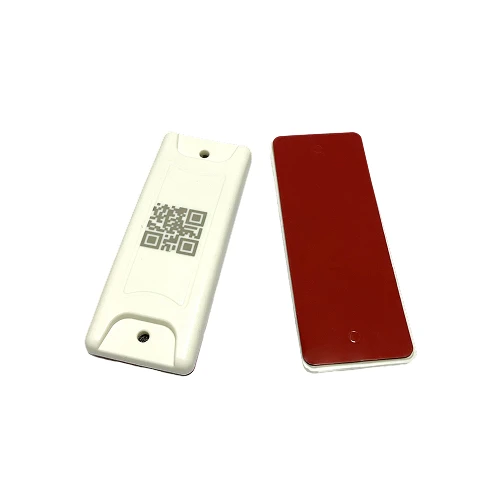
RFID electronic seal tags combine identification and tamper-evident functions. Designed for one-time use, they become invalid or indicate tampering if the seal is broken, depending on the product design. Typical applications include logistics containers, valves, and goods requiring security checks or traceability.
2. Can RFID tags be customized with logos and serial numbers?
Yes. Selected PCB, FPC, and housing-style RFID tags support laser marking, surface coding, and logo printing. For bulk orders, customized housing colors may also be available. Customization options depend on the tag structure, material, and production requirements.
3. What is the difference between dry inlays and wet inlays?
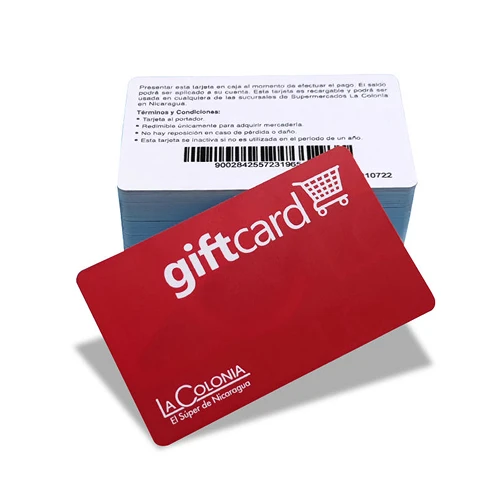
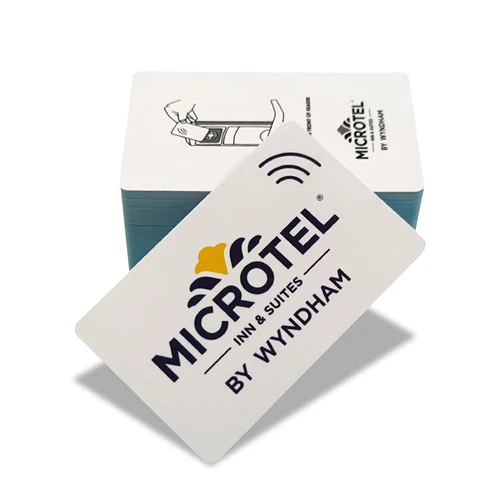
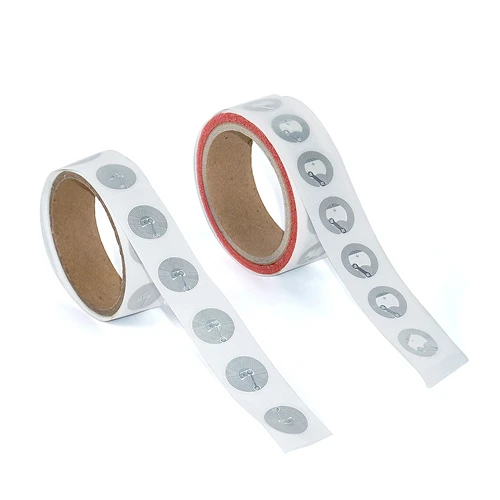
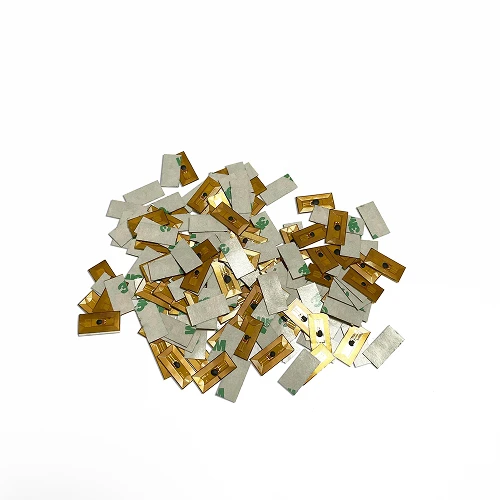
A dry inlay typically consists of an RFID antenna and chip mounted on a PET substrate, without an adhesive backing. It is commonly used as an inlay embedded inside PVC cards or other products. A wet inlay includes an adhesive layer, allowing it to be applied directly to suitable surfaces or integrated into compatible tag housings.
4. Can RFID tags be customized for different materials and applications?
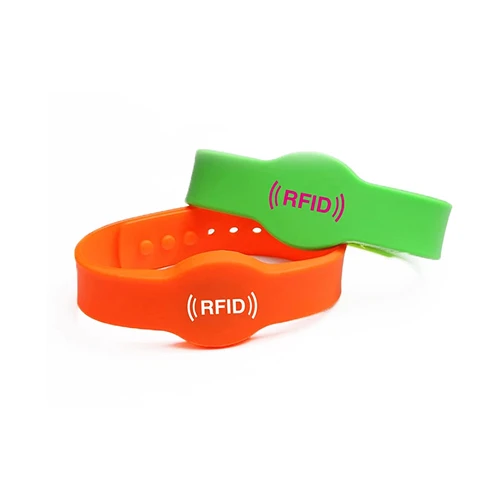
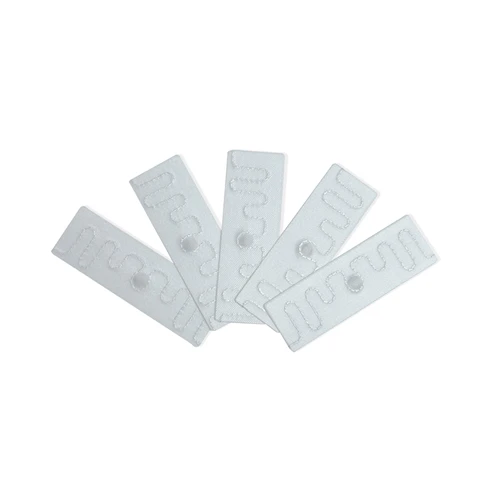
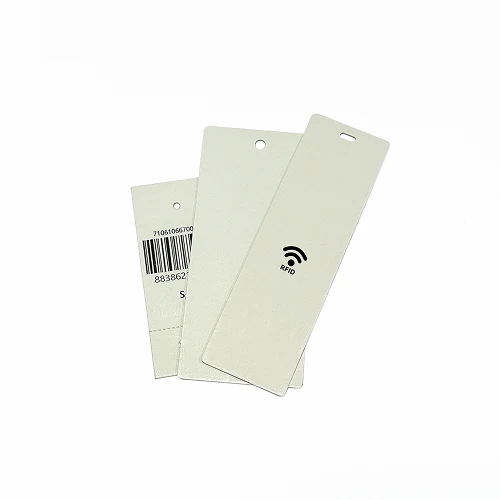
Yes. RFID tags can be customized according to the application, mounting method, operating temperature, environmental protection requirements, and reading performance. Options may include rigid PCB designs, flexible FPC structures, ABS or PPS housings, cable tie formats, and coin-shaped tags. Please provide your application details and operating conditions to help determine a suitable design.
Wenn Sie interessiert sind, hinterlassen Sie bitte Ihre Informationen.
Kontaktieren Sie uns
Telefon: +86 188 0203 4346
E-Mail: card003@jzcards.com
WeChat: +86 188 0203 4346
Adresse: Gebäude 5, Invesco Creative Park, Nr. 14, Lixin 12th Road, Bezirk Zengcheng, Stadt Guangzhou, Provinz Guangdong